A Buyer’s Guide to Cashmere in Luxury Bedding: What Sets the Best Apart
Explore how cashmere quality shapes comfort, warmth, and longevity in premium bedding. This guide dives into fiber properties, grading signals, and practical tips for choosing high-value pieces from trusted brands, with a closer look at care, sustainability, and the narratives behind luxury textiles.
Why Cashmere Captures Luxury Bedding
Cashmere, derived from the soft undercoat of cashmere goats, is renowned for its exceptional warmth-to-weight ratio, its feather-light touch, and a natural ability to drape elegantly across a bed. Luxury bedding that features cashmere is not merely about warmth; it is about an experiential pillow of loft and texture that age gracefully. The best cashmere fibers are acquired through meticulous care in the source, careful processing, and thoughtful blending. When you encounter a cashmere blanket or throw described as “ultra-soft” or “sumptuously drapey,” you are tasting a synthesis of fiber science and artisanal craft.
Akin to fine wine or premium yarns, cashmere’s allure rests on a balance: fiber length, micron count, and density of the knit determine how it feels against the skin, how long it holds its loft, and how it behaves through seasonal weight changes. In premium bedding, cashmere is frequently used as 100% fiber or blended with other natural fibers (such as wool or cotton) to modulate warmth, breathability, and care requirements. Understanding these choices helps you align purchase decisions with climate, sleep style, and lifestyle.
Fiber Properties That Matter
When evaluating cashmere bedding, three properties stand out: fiber fineness, warmth-to-weight efficiency, and fabric construction. Fineness is typically expressed in microns; finer fibers yield a softer hand, less itch, and a lighter overall feel. Warmth-to-weight efficiency describes how much warmth a given fabric can provide relative to its mass—cashmere often delivers higher warmth with less weight than many alternatives. Finally, construction refers to how the fabric is woven or knitted, including ply, gauges, and edge finishing, all of which influence durability and drape.
- 100% Cashmere vs. Cashmere Blends: Pure cashmere tends to deliver the premier softness and a more delicate hand, while blends can offer improved durability, easier care, and sometimes cost efficiency.
- Grading Signals: Look for terms such as “baby cashmere,” “century cashmere,” or “finest cashmere” in brand literature. These marketing tags often reflect fiber fineness and sourcing practices, but you should seek third-party certifications and transparent supply chains to verify claims.
- Knitting and Weave: A dense knit or a double-knit weave increases warmth and loft, while lighter weight knits can offer subtler warmth with more drape. The balance between weight and warmth should align with your climate and preferred sleep temperature.
Grading, Buying, and What to Read Between the Lines
Quality indicators in the luxury bedding space often sit at the intersection of fiber science and brand storytelling. Reputable brands communicate on multiple fronts: fiber content and origin, knitting technique, care guidelines, and sustainability claims. A discerning buyer reads beyond the surface: loft retention, edge finish, and the consistency of color and texture across lots are practical proxies for long-term performance.
Consider these decision points when evaluating a cashmere throw or blanket:
- Fiber content and blend ratios: A pure cashmere option will feel distinct from a cotton or wool blend in terms of softness and warmth, but may require more careful care and less rugged daily wear.
- Weight and warmth: Heavier weights are warmer and more durable, while lighter weights offer versatile layering and year-round use.
- Care instructions: Dry-clean or hand-wash only items demand deliberate care; machine-washable cashmere is rare and should be scrutinized for fiber integrity.
- Origin and ethics: Traceability to regions known for traditional cashmere production, plus transparent supplier relationships, contributes to sustainability and ethics.
Brand Landscape: A Primer for Discerning Buyers
Luxury bedding brands often pair a narrative of heritage with modern performance metrics. You might encounter brands that emphasize the softness of cashmere blends used in iconic wraps, or brands that foreground responsibly sourced fibers and artisanal weaving methods. The most trusted brands maintain a clear line between marketing rhetoric and demonstrable practice—traceable supply chains, third-party certifications, and explicit care guidance. In this sense, a truly elite cashmere product is as much about the ethics of sourcing and the craftsmanship of finishing as it is about the tactile experience in the night.
Care, Sustainability, and Longevity
A well-cared-for cashmere throw or blanket can outlast trends and maintain loft for years. The care guidelines for premium cashmere emphasize gentle handling: cold or lukewarm washing (when permitted), air drying away from direct heat, and avoiding harsh detergents or fabric softeners that can degrade fibers. Storage matters too—keep cashmere clean and dry, ideally in a breathable storage bag with a light cedar or lavender sachet to deter moths. The long view of sustainability sits at the intersection of fiber choice, production ethics, and end-of-life considerations. Branded commitments to responsible sourcing and durable materials amplify the environmental dividend of ownership over time.
In the pages ahead, we’ll reference three notable voices across eras who illuminate the enduring human thread behind cashmere—the artisans shaping fibers, the historians preserving textile memory, and the contemporary designers who translate legacy into modern luxury.
Three Voices Across Time: A Historical Lens
The story of cashmere crosses centuries and continents. To ground this guide in lived expertise, we turn to three pivotal figures whose work illuminates the present moment in luxury bedding.
-
Alberto Bianchi (Early 20th Century) – The Italian Loomwright
A master weaver whose family workshop in Prato bridged traditional loom work with modern textile science. Bianchi’s era was a turning point for European luxury textiles, with careful attention to fiber preparation, spinning, and finishing that married warmth with refined texture. His approach underscored the philosophy that luxury begins with disciplined craft, a principle still echoed in contemporary cashmere mills that prioritize fiber integrity, controlled dyeing, and archival finishing techniques. -
Dr. Miriam Kato (Mid-20th Century) – Textile Historian and Ethnographer
A scholar who documented the trade routes, regional specialties, and social economies behind cashmere production. Her work traced cashmere from the Karakorum and Himalaya uplands into global luxury markets, emphasizing how geography, climate, and tribal knowledge converge to yield a soft, warm fiber. Her scholarship laid the groundwork for transparent supply-chain storytelling and ethical sourcing conversations that remain central to premium bedding today. -
Julia Chen (Contemporary) – Designer and Sustainability Advocate
A designer whose practice foregrounds responsible sourcing, traceability, and longevity in textiles. Chen’s philosophy prioritizes fabrics that age gracefully, with easy care and thoughtful performance. Her work demonstrates how heritage fibers can be reinterpreted for modern sleep environments—balancing tactile softness with robust construction and a clear commitment to sustainable practices.
Illustrative Product Spotlight: Flo Scarf
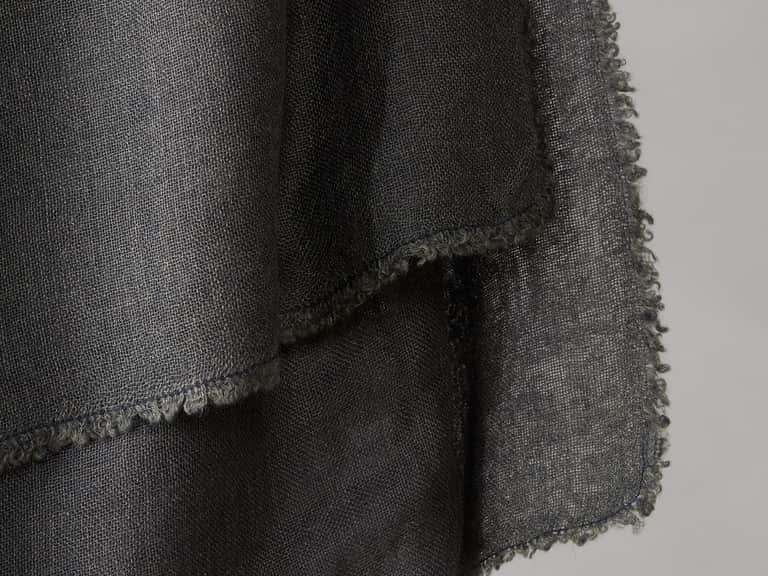
Though a scarf from Society Limonta, the Flo Scarf embodies the couture-casual ethos that threads through luxury bedding narratives. It blends cashmere (70%) and silk (30%) to deliver warmth with a refined drape, crafted in Italy. This piece serves as a tactile reference point for the kind of luxury materiality readers might seek in bedding—softness, structure, and a quiet, sophisticated glow that translates from the body to the bed and beyond.
Flo Scarf — Brand: Society Limonta
Material: Cashmere 70% and Silk 30%; Weave: Woven blend with soft hand feel; Weight: 200 g/m2; Origin: Made in Italy
Care: Gentle or as directed by brand
Price: 395.00 USD
Glossary and Quick Reference
Global Organic Textile Standard; indicates organic fiber production and processing with social and environmental criteria. A knitting method that yields breathable texture, often used in lighter-weight cashmere fabrics.
A Practical Buying Guide: How to Choose
To translate luxury brand storytelling into a reliable purchase, focus on three pillars: fiber integrity, construction quality, and care compatibility. The following framework helps structure your decision.
Seek clarity on fiber origin, any certifications, and whether the product uses pure cashmere or blends. Transparent disclosures are a positive signal. Inspect edging, seams, and the weight distribution across the blanket or throw. A well-finished edge prevents unraveling and ensures enduring use. Align care requirements with your lifestyle. If you want easy care, look for blends or machine-washable options; for the pure, exquisite hand, prepare for more delicate routines.
For the reader seeking a pinnacle experience, consider how a piece will perform over years. The best cashmere bedding isn't just about warmth for a season—it's about a quiet luxury that ages with character, becoming part of your everyday rituals rather than a fleeting indulgence.
Conclusion: Cultivating a Theory of Luxury Bedding
Cashmere within luxury bedding sits at the intersection of science, craft, and culture. The strong aesthetic of its softness and warmth is matched by a disciplined approach to sourcing, finishing, and care. A buyer’s guide is more than a catalog of materials; it is a map to how premium textiles are imagined, produced, and sustained over time. By understanding fiber properties, recognizing quality signals, and embracing responsible practices, readers can curate a bedding ensemble that feels timeless—an everyday luxury scaled to the rhythms of modern life.
Starter Article Ideas and Editorial Directions
If you’d like, this site can expand with:
- In-depth guides on “What is cashmere?” and “How cashmere is made: from goat to garment.”
- Historical narratives about Kashmir and known cashmere regions that shaped luxury branding.
- Interviews with textile historians and designers on ethics in cashmere supply chains.
- Glossary expansions and buying guides for other luxury fibers and fabrics with cashmere as a featured case study.